
Let’s be honest: walking into a high-end showroom like Restoration Hardware or West Elm feels amazing until you flip over the price tag. Seeing a $2,400 sideboard can make anyone’s heart sink. But here’s the secret the big brands don’t want you to know—you’re often paying for the aesthetic, not just the materials. Over the last year, I’ve obsessed over luxury furniture DIY dupes that bridge the gap between “IKEA budget” and “Architectural Digest dreams.”
Mastering affordable luxury home decor isn’t about being a master carpenter; it’s about knowing which high-end details to mimic. Whether you are a renter or a new homeowner, you can achieve a high-end furniture aesthetic without draining your savings. Let’s dive into how we can flip the script on overpriced decor.
The “Luxury DNA”: Why Some Furniture Looks Expensive
Before we pick up a paintbrush, we have to analyze what makes a piece look “designer.” Usually, it comes down to three things: texture, weight, and hardware. Most DIY designer lookalikes fail because they skip the finishing touches.
- Texture: High-end pieces have soul. Think fluted wood, honed stone, or matte metals.
- Hardware: Cheap plastic handles are a dead giveaway. Swapping them for solid brass or hand-forged iron is the fastest way to “up-value” a piece.
- Finish: Glossy, “plastic-y” finishes look cheap. Matte or satin finishes scream luxury.
Project Spotlight: The Fluted Sideboard Dupe
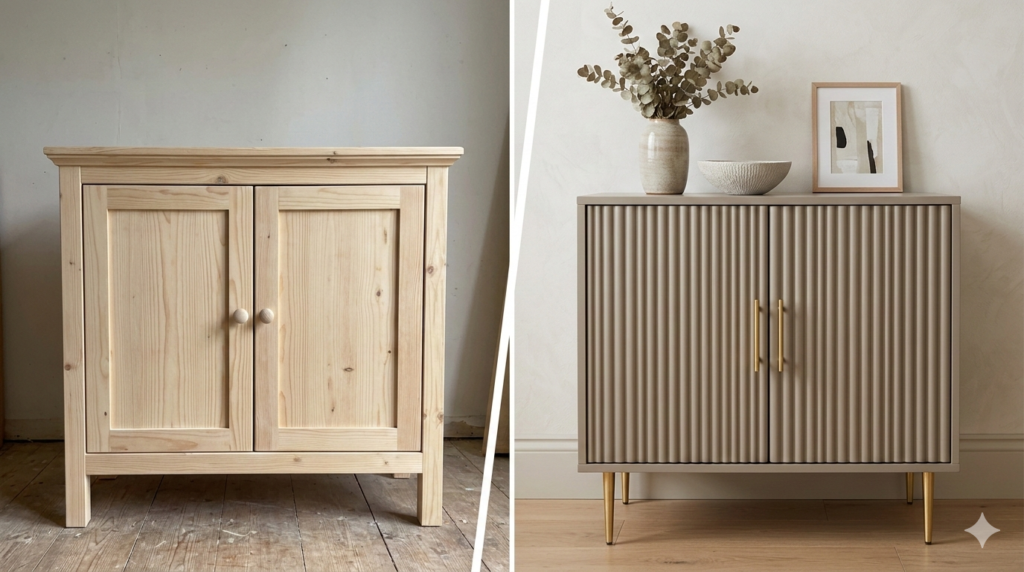
The “Fluted” look is dominating 2026 interior design trends, but these pieces often retail for $1,800+. You can recreate this using a basic IKEA IVAR or a thrifted cabinet.
- Prep the Surface: Sand down your base cabinet to ensure the adhesive sticks.
- Add the “Flutes”: Use half-round wood moldings cut to size. Glue them side-by-side across the door fronts.
- The Secret Sauce: Paint the entire piece in a sophisticated, muted tone like “Mushroom” or “Charcoal Black.”
The Cost vs. Value Breakdown
I’ve tracked every cent spent on my latest projects to show you exactly how much you save by choosing the DIY luxury furniture route.
| Item Feature | Designer Retail Price | DIY Project Cost | Total Savings |
| Fluted Oak Sideboard | $1,950 | $145 | $1,805 |
| Travertine Coffee Table | $1,200 | $85 | $1,115 |
| Arched Gallery Mirror | $650 | $40 | $610 |
| Solid Brass Hardware | $25/piece | $4/piece (bulk) | $21/piece |
How to Avoid the “Cheap DIY” Look
The biggest fear with high-end furniture aesthetic projects is that the result will look like a “Pinterest fail.” To keep it professional, follow these three non-negotiables:
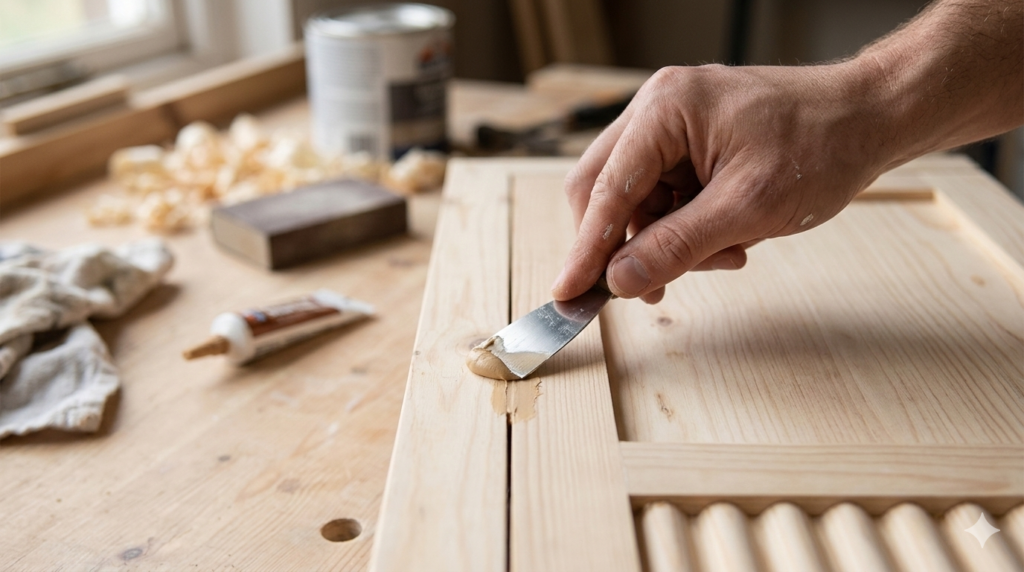
- Hide the Seams: Use wood filler on every single gap. If you can see the joint, the “designer” illusion is broken.
- Invest in “Touch Points”: You can use cheap wood for the frame, but don’t skimp on the handles or the legs. These are the parts people touch and look at most closely.
- Sanding is Life: Sand between every coat of paint. It creates a factory-smooth finish that distinguishes a pro job from a hobbyist one.
Sourcing Materials for Your Designer Lookalikes
Where you shop determines your ROI. For luxury furniture DIY dupes, I recommend:
- Thrift Stores: Look for solid “bones.” Ignore the color; look at the shape.
- Etsy: Great for sourcing unique, high-end hardware that you can’t find at Home Depot.
- Local Lumber Yards: Often cheaper and better quality than big-box retailers for those “fluted” wood strips.
FAQ: Everything You Need to Know About DIY Dupes
Q: Does DIY furniture actually last as long as the expensive stuff? A: Often, yes! Many high-end brands use veneer over MDF. When you DIY with solid wood moldings and high-quality sealants, your piece can actually be more durable than the store-bought version.
Q: What is the best paint for a factory-smooth finish? A: Look for “Urethane Alkyd Enamel.” It levels out as it dries, meaning those pesky brush strokes disappear.
Q: Do I need expensive power tools? A: Not for most of these. A simple miter box and a hand saw (under $20) can handle almost all the trim work needed for these dupes.