
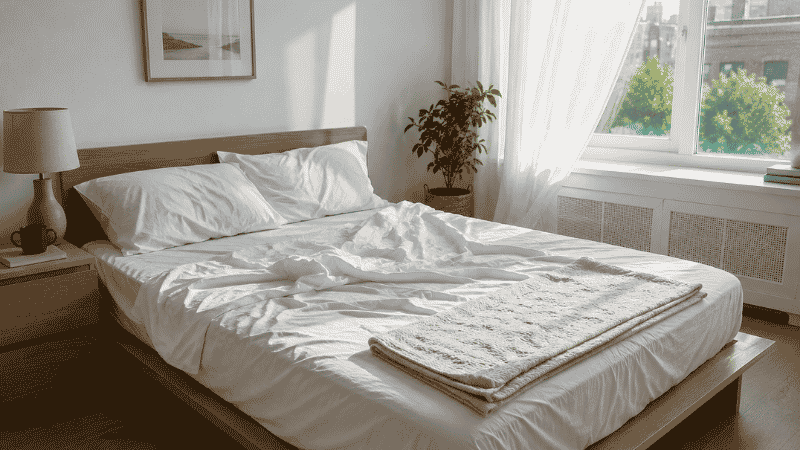
You’ve tried everything. The fan that just pushes hot air around. The window that lets in the noise of the street alongside the breeze. The trick where you turn the pillow over every 20 minutes. And still, at 3am, you’re lying there in a puddle of your own warmth, one leg desperately hanging off the side of the bed, staring at the ceiling and doing math about how many hours of sleep you could still get if you fell asleep right now.
Hot sleeping is one of those things that sounds like a minor complaint until it’s been ruining your sleep for months. And the advice is almost always the same: get cooling sheets. Which sounds helpful until you realize that there are approximately 4,000 products calling themselves cooling sheets and most of them are just regular sheets with a marketing budget.
Here’s what I’ve actually learned from going through the materials science: the best sheets for hot sleepers come down to three things — fabric type, weave pattern, and thread count — in that order. Not brand name. Not price. Not whether the product description includes the word “temperature-regulating.” Those things are decorative. The three specs I mentioned are structural.
This guide explains what makes a sheet genuinely cooling, ranks the materials honestly, and tells you what most “best cooling sheets” roundups don’t: that the sheets are only one part of the system.
Key Takeaways
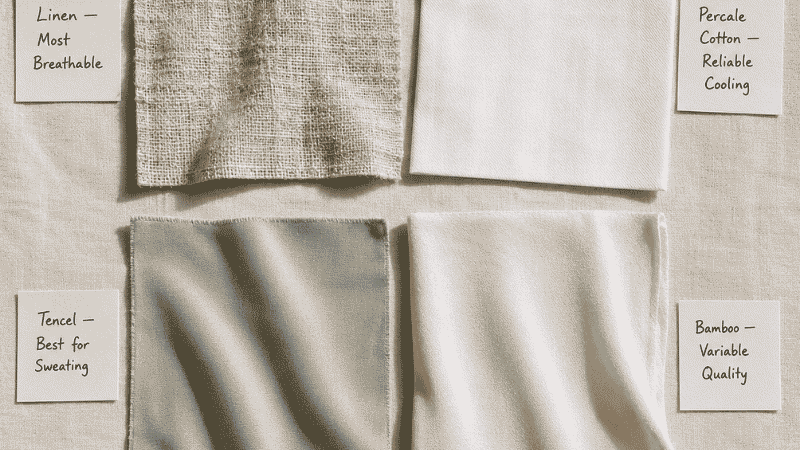
- Fabric type is the most important decision: Linen, percale cotton, and Tencel (lyocell) are the three genuinely cooling materials — bamboo viscose is cooling but variable in quality; sateen and microfiber are not cooling regardless of what the packaging says
- Thread count is mostly marketing above 400: In percale cotton, a thread count of 200–400 is the sweet spot for airflow; higher thread count means a tighter weave which means less breathability — the opposite of what most people assume
- The weave matters as much as the fabric: Percale (a one-over-one-under plain weave) has more open spaces for air to move through than sateen (a four-over-one weave), which is why a 300-thread percale will sleep cooler than a 600-thread sateen in the same cotton
- Night sweats have multiple causes: Sheets help regulate ambient temperature, but if you’re waking up genuinely drenched regularly, that can indicate a medical condition worth discussing with a doctor — cooling sheets won’t fix thyroid dysfunction or menopause-related hot flashes the way they fix “it’s July and my apartment doesn’t have AC”
- The system matters: The most breathable sheets in the world paired with a down comforter at 85°F will still leave you hot; sheets are one element of a sleep temperature system that also includes your duvet, mattress topper, and room temperature
The Real Reason You Sleep Hot (It’s Not Just Ambient Temperature)
Most people who identify as “hot sleepers” are actually experiencing one of three very different things, and the solution isn’t identical for all of them.
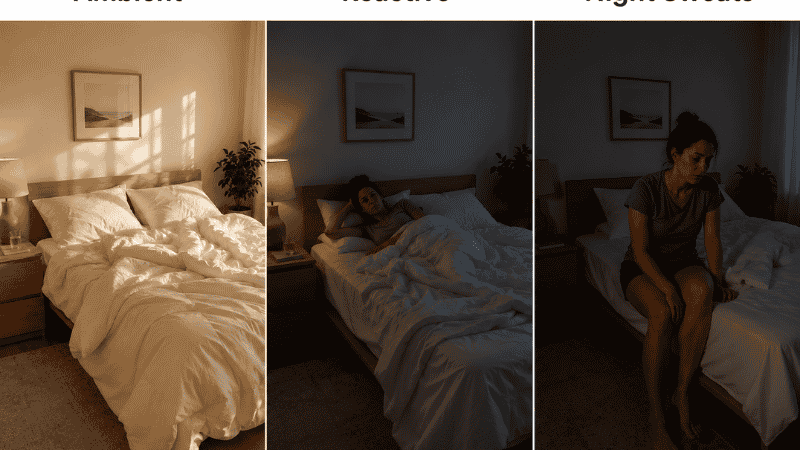
Ambient overheating: The room is too warm, or your duvet is too heavy for the season. This is the most common situation and the easiest to fix with better sheets and seasonal bedding adjustments. If you’re only hot in summer or only hot when you sleep with certain blankets, this is probably you.
Reactive sweating: You sleep fine for a few hours and then wake up hot after your body has had time to heat the surrounding bedding. This is a bedding trap problem — the sheets are holding heat generated by your body and creating a microclimate around you. Good moisture-wicking, breathable sheets help significantly here.
Night sweats (hyperhidrosis): You wake up drenched — not damp, soaked — regardless of season, regardless of bedding, multiple times a week. This can be caused by hormonal changes (menopause, andropause, thyroid conditions), certain medications (antidepressants, blood pressure meds), infections, or anxiety. Cooling sheets help with comfort but don’t address the underlying cause.
I’m not going to bury this in an FAQ: if you’re experiencing true night sweats — the kind where you’re changing clothes at 3am regularly — it’s worth a conversation with your doctor. Not because it’s always serious, but because it’s sometimes easily treatable and nobody should suffer through it unnecessarily. Cooling sheets are useful regardless, but they’re not the complete answer for everyone.
The Fabric Ranking: What Actually Works
Here’s the honest hierarchy, based on the actual thermal and moisture properties of the materials.
Linen: The Most Breathable, If You Can Handle the Texture
Linen is made from flax fibers with a naturally hollow structure that allows air to circulate through the fabric. It’s the most breathable natural bedding material available — more than cotton, more than bamboo, more than anything. It also gets softer with every wash and lasts significantly longer than most sheet fabrics.
The honest caveat: new linen feels scratchy to about 30% of people, and some of those people never come around to it no matter how many times it’s washed. If you have sensitive skin or low tolerance for texture, linen might not be for you. If you can get past the first few washes, it’s genuinely exceptional.
Best for: Hot climates, warm sleepers who prioritize breathability over softness, anyone who tends to sleep in summer with no AC.
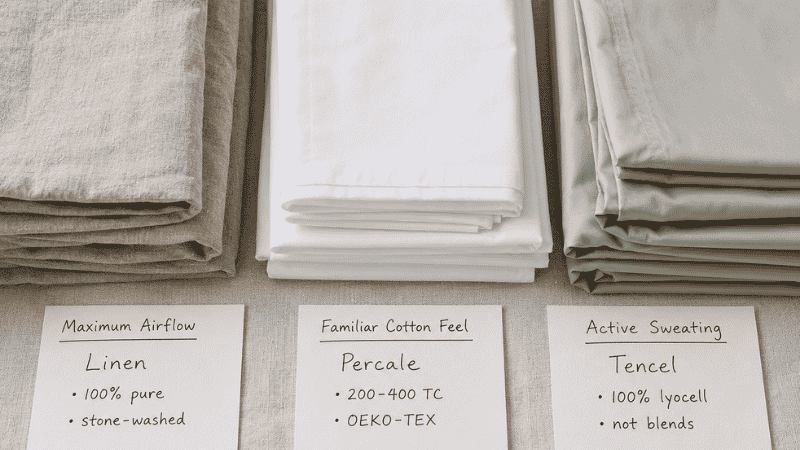
What to look for: 100% pure linen (not linen blends, which dilute the breathability), stone-washed finish (already softened), no synthetic additives marketed as “cooling technology.”
Percale Cotton: The Reliable Middle Ground
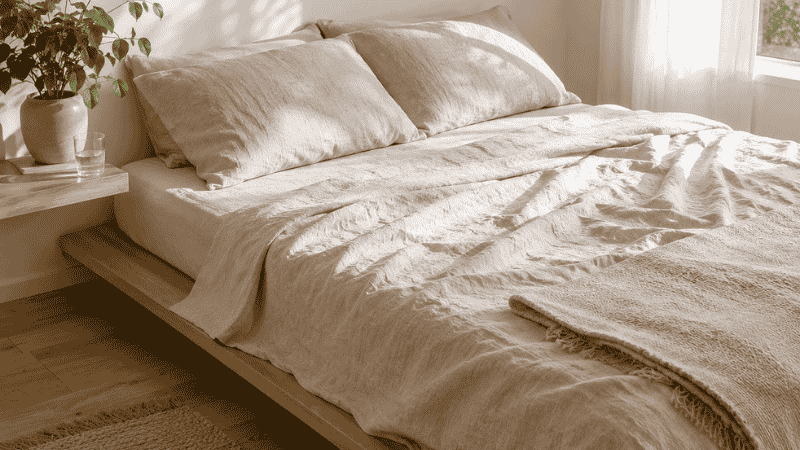
Percale is a weave pattern, not a fabric — but percale cotton is the most commonly recommended option for hot sleepers, and the recommendation is earned. The one-over-one-under plain weave creates a grid of small open spaces in the fabric that allow air to move through. It has a crisp, cool-to-the-touch feel that many people describe as “hotel sheets” — and that initial cool sensation when you get into bed is a real thermal effect, not just perception.
Percale weave cotton offers a lighter, airier feel than sateen and is ideal for sleepers who prefer a fresh, dry, non-silky feel.
Thread count for percale: 200–400 is ideal. Higher than 400 in percale means the weave is tighter, which reduces the airflow that makes percale cooling in the first place. If you see a “600-thread-count percale,” that’s a contradiction in terms — either the thread count is inflated (common industry practice) or the weave is no longer truly percale. Either way, it’s not what you’re paying for.
Best for: People who want cooling sheets without a significant texture adjustment period. The gold standard for hot sleepers who also want familiar cotton comfort.
Tencel (Lyocell): The Softest Option That Actually Cools
Tencel is the brand name for lyocell fiber made from sustainably sourced wood pulp (usually eucalyptus). The manufacturing process creates fibers with exceptional moisture-wicking properties — eucalyptus-derived Tencel material has exceptional breathability and moisture-wicking properties, along with a luxuriously soft and smooth feel.
The important distinction: Tencel manages moisture extremely well but doesn’t have the same airflow properties as linen or percale. It’s cooling primarily through moisture management — it wicks sweat away from your skin faster than cotton, which prevents the clammy-wet feeling that makes hot sleeping so uncomfortable. If your hot sleeping involves active sweating, Tencel may outperform percale cotton for you specifically.
Best for: Sweaty sleepers more than hot sleepers; anyone with sensitive skin who finds linen or percale cotton too rough; those who prioritize softness alongside cooling.
Bamboo Viscose: Variable Quality, Real Cooling When Done Right
Bamboo viscose (or bamboo rayon) is naturally cooling when the manufacturing quality is high. The issue is that “bamboo sheets” is a broad category that includes products ranging from genuinely breathable, well-processed bamboo to cheap blends that retain much of the heat-trapping properties of synthetic fabrics.
Sheets made from breathable, moisture-wicking materials like Tencel, bamboo viscose, and lightweight percale cotton tend to be the most cooling. But the operative word is “tend to” — the cooling properties of bamboo sheets depend heavily on the processing method and the blend ratio. Look for OEKO-TEX certification, which verifies the fabric has been tested for harmful substances and meets production standards that correlate with quality.
Best for: Those who want a silk-like softness with cooling properties; eco-conscious buyers who prioritize sustainability credentials.
What to Avoid: Sateen and Microfiber
Sateen is a weave pattern (four-over-one warp weave) that creates the silky, smooth surface feel most people associate with “luxury” hotel sheets. The problem for hot sleepers: satin sheets aren’t typically known for cooling, as they’re often made from synthetic fibers that can trap heat. Even in cotton sateen, the denser weave reduces airflow compared to percale in the same material.
Microfiber is synthetic (usually polyester) and should be avoided by hot sleepers entirely. It traps heat and moisture rather than wicking it away. The “cooling microfiber” products on the market are generally cooling only in comparison to thicker polyester — not in comparison to cotton or linen.
Thread Count: The Spec That’s Been Lying to You
Thread count is the most over-marketed specification in bedding, and understanding how it actually works changes the way you shop.
Thread count measures the number of threads per square inch of fabric — both vertical (warp) and horizontal (weft) threads combined. In theory, more threads per inch means more tightly woven fabric. In practice, manufacturers figured out that consumers equate high thread count with quality, so they started counting multi-ply threads (threads twisted together before weaving) as individual threads to inflate the number.
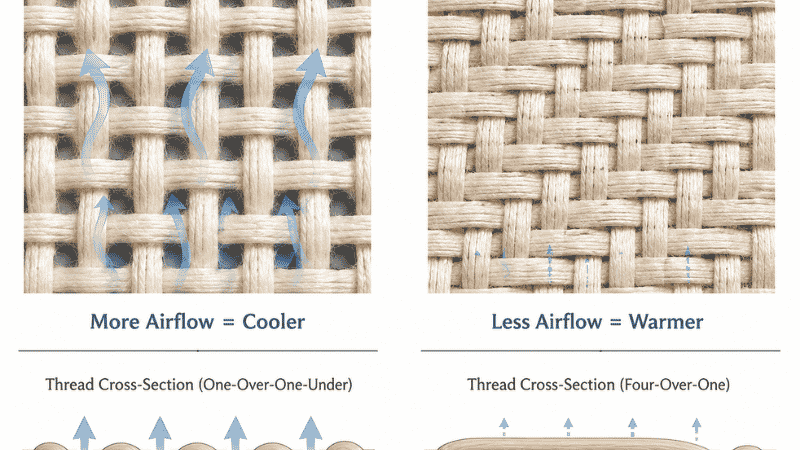
A genuinely high thread count in single-ply fabric is physically limited by how tightly threads can be packed — around 400 is near the maximum for single-ply percale. “800-thread-count” or “1200-thread-count” sheets typically use twisted multi-ply threads or low-quality fiber.
For hot sleepers specifically: Higher thread count = tighter weave = less airflow = warmer sleeping. The optimal range for cooling sheets:
- Percale cotton: 200–400 thread count
- Linen: thread count is less relevant (linen is measured by weight); look for 140–180 grams per square meter
- Tencel: 300–400 thread count in sateen weave; 200–300 in percale weave
If a sheet set is marketed as “cooling” and has a thread count over 400, read the fine print carefully before buying.
The Complete Cooling Sleep System
Here’s the part that most cooling sheet roundups skip: sheets are one element in a system, and buying the best percale sheets won’t solve your hot sleeping problem if the rest of the system is working against them.
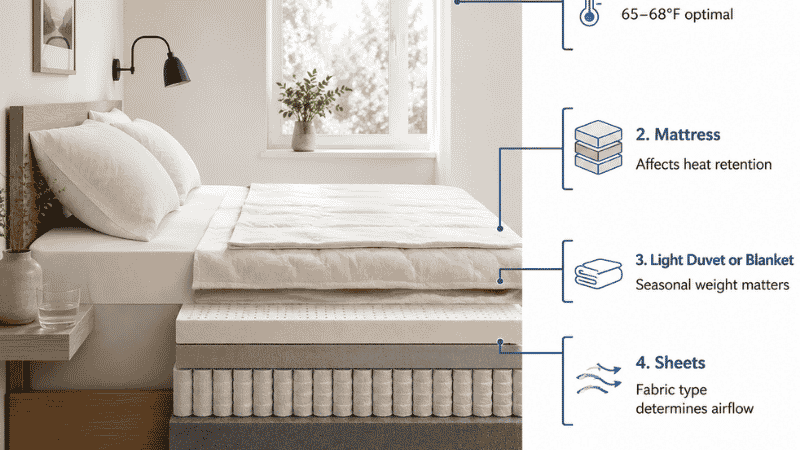
The mattress layer: Memory foam and latex mattresses retain significantly more heat than innerspring mattresses. If you have a memory foam mattress and sleep hot, a breathable mattress topper (wool, latex, or gel-infused foam) can make a meaningful difference that no sheet can compensate for.
The duvet or comforter: A down comforter is one of the best insulators in bedding. If you’re sleeping hot, replace the down comforter with a lightweight alternative for warm months: a cotton or linen coverlet, a bamboo duvet, or simply a cotton blanket. The most breathable sheets in the world paired with a 600-fill-power down comforter will still leave you overheating if the room is warm.
Room temperature: The National Sleep Foundation recommends a bedroom temperature of 65–68°F (18–20°C) for optimal sleep. Research published in Sleep Medicine Reviews (2012) found that elevated bedroom temperature is one of the most consistent predictors of sleep disruption, independent of bedding choice. Sheets help, but they can’t compensate for a room at 80°F. If you don’t have AC, a fan that moves air across the bed rather than just circulating room air makes a measurable difference.
Your sleepwear: Synthetic athletic wear, tight-fitting sleep clothes, or heavy pajamas counteract breathable sheets. Loose cotton or Tencel sleepwear, or none at all, allows your sheets to do their job.
What to Buy: The No-Confusion Decision Tree
If you’re going to buy one set of cooling sheets and you want the right answer for your situation:
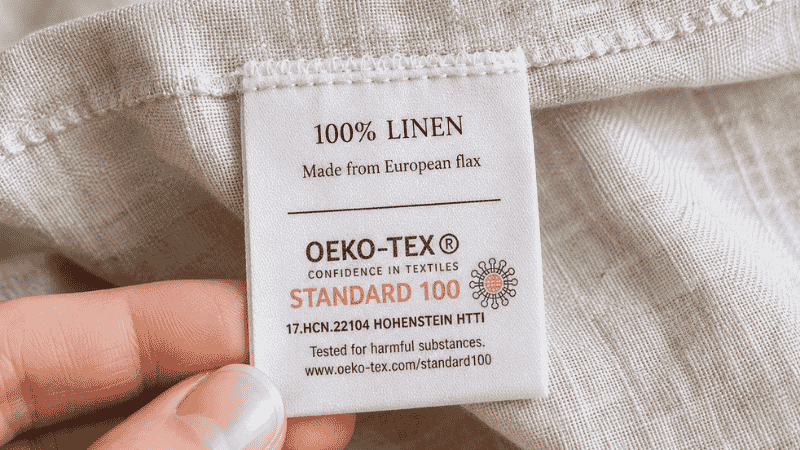
You sleep mildly hot and want a familiar cotton feel: Percale cotton, 200–400 thread count, OEKO-TEX certified, queen size. Budget $80–$150. Parachute Percale and Brooklinen Classic Percale are consistently well-regarded in this range.
You sweat at night and moisture management is the priority: Tencel (lyocell) sheets, sateen weave, 300–400 thread count. Budget $100–$180. Look for 100% Tencel rather than blends.
You want maximum airflow and can tolerate a texture adjustment period: 100% linen, stone-washed, mid-weight (140–160 g/m²). Budget $120–$250. Quality linen lasts 10–15 years with proper care and becomes more comfortable over time, which changes the cost-per-use math significantly.
You’re on a budget but need real cooling: 100% cotton percale at the lower thread count end (200–280), from a brand that’s OEKO-TEX certified. Avoid anything marketed as “1200-thread-count cooling microfiber” — that’s the cooling sheets equivalent of “diet” ice cream.
Caring for Cooling Sheets: The Part That Extends Their Life
Cooling sheets — especially linen and Tencel — require slightly different care than standard cotton.
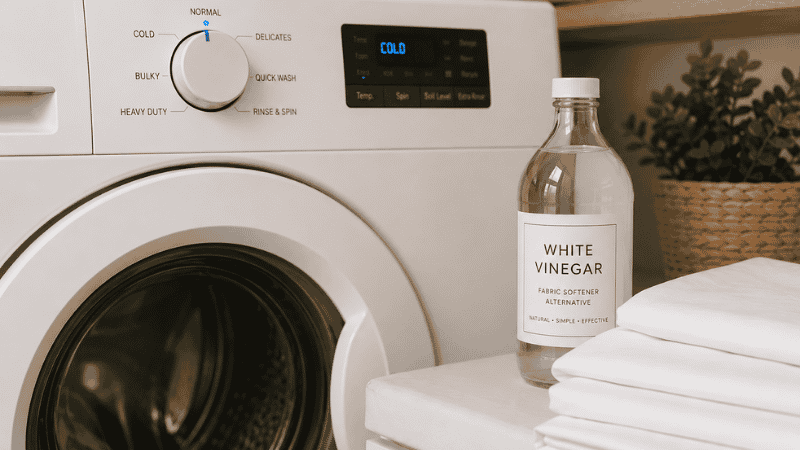
Washing temperature: Cold water only. Hot water breaks down the fibers that give Tencel and linen their moisture-wicking properties and causes shrinkage in higher-quality fabrics. Simply wash on a gentle cycle in cold water, then tumble dry on low heat. Promptly removing the items from your dryer can minimize some of the wrinkling that commonly occurs with Tencel bedding.
Drying: Low heat, remove promptly. Tencel in particular can wrinkle significantly if left in the dryer. Linen is best line-dried when possible — air drying preserves the fiber structure.
Frequency: Sheets should be washed every 1–2 weeks. Hot sleepers should wash more frequently — body oils, sweat, and dead skin cells accumulate faster and can compromise the breathability of the fabric over time. A second set of sheets makes rotation easier.
What to avoid: Fabric softener. This coats the fibers with a thin layer that reduces their moisture-wicking ability — the opposite of what you want. White vinegar in the rinse cycle softens naturally without the coating effect.
When Cooling Sheets Won’t Be Enough: Recognizing Night Sweats That Need Medical Attention
This section isn’t here to alarm anyone. Most hot sleeping is just hot sleeping — a combination of metabolism, room temperature, and bedding that can be solved with better fabric choices and seasonal adjustments.
But some patterns are worth noting:
Consider speaking with a doctor if: You’re waking up soaked multiple nights per week consistently, the sweating is happening in all seasons regardless of room temperature, you’re experiencing other symptoms alongside the sweating (unexplained weight changes, fatigue, mood changes), or the pattern has changed significantly and recently.
Night sweats can be a symptom of hormonal changes (menopause, thyroid conditions), medications, infections, or — rarely — conditions that benefit from early attention. The good news: most causes of medically significant night sweats are diagnosable and treatable. Cooling sheets help with comfort in any case, but they’re not a substitute for getting checked if the pattern concerns you.
FAQ: Best Sheets for Hot Sleepers
What is the best sheet material for hot sleepers? Linen is the most breathable; percale cotton is the most accessible and familiar; Tencel (lyocell) wicks moisture best. The choice depends on your specific situation: pure airflow → linen; familiar cotton feel with cooling → percale; active sweating → Tencel. All three significantly outperform sateen cotton and microfiber for hot sleepers.
Does thread count matter for cooling sheets? Yes, but inversely from what most people assume. Higher thread count means a tighter weave which means less airflow. For percale cotton, 200–400 thread count is the cooling sweet spot. Thread counts above 400 in “cooling” sheets are usually inflated or indicate a denser weave that’s warmer, not cooler.
Are bamboo sheets actually cooling? When produced well, yes — bamboo viscose has genuine moisture-wicking and breathable properties. The problem is quality varies significantly across the bamboo sheet market. Look for OEKO-TEX certification and 100% bamboo rather than bamboo blends. Cheaper bamboo-blend sheets often don’t deliver the cooling properties the marketing promises.
What’s the difference between cooling sheets and regular sheets? Genuinely cooling sheets use fabric types (linen, percale cotton, Tencel) and weave patterns (percale rather than sateen) that maximize airflow and moisture management. Sheets labeled “cooling” without these fabric properties are usually just lighter-weight regular sheets or, worse, synthetic fabrics with cooling marketing language. Fabric type and weave are the structural factors; the “cooling” label is optional and unreliable.
Can cooling sheets help with night sweats? They help manage comfort during night sweats by wicking moisture away from the body more quickly than standard sheets. They don’t address the underlying cause of night sweats. If you’re experiencing true night sweats (waking drenched, multiple nights per week, across seasons), that’s worth discussing with a doctor — the cause is often treatable.
How often should hot sleepers wash their sheets? Every week, ideally. Hot sleepers accumulate sweat, oils, and skin cells faster than average, which over time compromises the breathability of even the best cooling sheets. A second set of sheets makes weekly rotation practical without adding to laundry time.
The Bottom Line
The best sheets for hot sleepers are made from linen, percale cotton, or Tencel — in that order for pure airflow, though the right choice depends on your specific situation. Thread count between 200–400 for percale cotton; stone-washed linen for texture softening; 100% Tencel (not blends) for moisture management.
Buy one genuinely good set and wash it correctly — cold water, no fabric softener, remove from the dryer promptly — and it’ll last long enough that the cost-per-night math works out to almost nothing.
And if the sheets don’t fully solve it: check the rest of the system. The duvet, the mattress, the room temperature. Sheets are powerful but they’re not magic.
For the bedroom setup that keeps you cool beyond the sheets — including bed frame choices that affect airflow beneath the mattress — our small bedroom layout guide covers the arrangement strategies that improve bedroom ventilation. And for the complete bedroom storage picture that keeps the room clutter-free and calm, our small bedroom storage guide has the full breakdown.
References
- Okamoto-Mizuno, K., & Mizuno, K. (2012). Effects of thermal environment on sleep and circadian rhythm. Journal of Physiological Anthropology, 31(1), 14. (Research on bedroom temperature and sleep disruption)
- National Sleep Foundation (2023): Sleep environment recommendations — optimal bedroom temperature range (65–68°F / 18–20°C) and its relationship to sleep onset and continuity
- Lack, L., Gradisar, M., Van Someren, E. J. W., Wright, H., & Lushington, K. (2008). The relationship between insomnia and body temperatures. Sleep Medicine Reviews, 12(4), 307–317. (Research on body temperature regulation and sleep quality)
Published on Grainv.com | Category: Bedroom | Related: Small Bedroom Layout, Small Bedroom Storage Ideas, Small Bedside Table