
There is a distinct psychological shift that occurs the moment you transition from a rectangular surface to a round dining table. In the world of interior architecture, the circle is a “disruptor”—it breaks the rigid, linear boxiness of standard floor plans and eliminates the awkward “head of the table” hierarchy.
For the modern renter navigating a tight floor plan or the homeowner designing an open-concept great room, a circular table isn’t just an aesthetic choice; it is a strategic maneuver in spatial flow. When we design for high-traffic homes, we aren’t just looking at a piece of furniture; we are looking at how a human body moves around it at 7:00 AM with a coffee mug in hand.
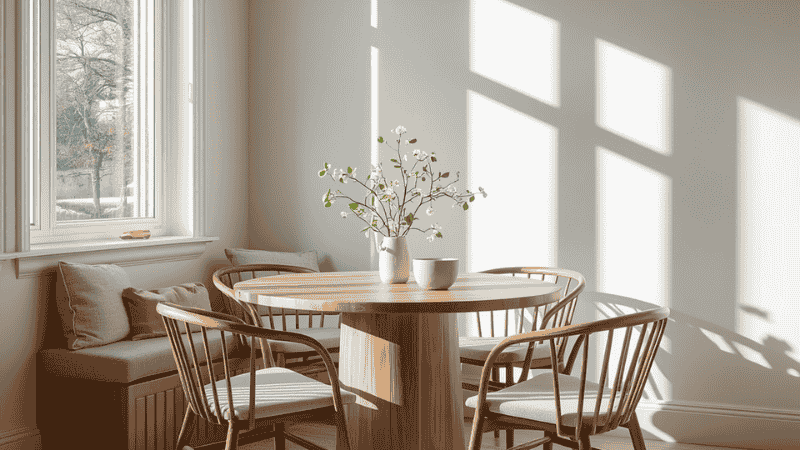
The Geometry of Flow: Designing for the “In-Between” Spaces
Most off-the-shelf design advice fails because it forgets that rooms are kinetic. We don’t walk in jagged, 90-degree angles; our movement is naturally fluid. This is where the round silhouette excels.
The 36-Inch Clearance Standard
In a compact urban apartment, every square inch is a battleground. To prevent a space from feeling like a storage unit, you need a minimum of 36 inches of “push-back” space—the distance from the table edge to the nearest obstruction.
Because a round table lacks corners, it effectively “shrinks” its visual footprint, softening the traffic patterns and allowing guests to slide past one another without the inevitable hip-bruise caused by a sharp wooden edge.
The Pedestal vs. Leg Logic
If your goal is to maximize seating without increasing the table’s diameter, the base architecture is everything.
- The Pedestal: This is the undisputed champion of small-space utility. By centering the support, you reclaim the entire perimeter for legroom. It allows you to tuck chairs in completely when not in use, which is vital for maintaining a clean visual line in a multi-purpose room.
- The Quad-Leg: While structurally traditional, four legs dictate exactly where your guests must sit. Save this for dedicated dining rooms where you aren’t trying to “cheat” an extra chair into the mix during a dinner party.
What Most Interior Guides Get Wrong
Standard furniture blogs often advocate for “the biggest table that fits,” but this is a fundamental design error. A dining area should feel like an invitation, not a roadblock.
Most guides overlook The Visual Weight Factor. A solid black 60-inch round table in a small room will feel twice as large as a 60-inch glass table. When selecting your dining table, you must consider the “transparency” of the material. If you are tight on space, a pedestal base in a light-reflective finish (like white lacquer or glass) allows the floor to remain visible, tricking the brain into perceiving more square footage.
Furthermore, many “pro tips” ignore the Vibration Factor. If you are a remote worker, a cheap, lightweight pedestal table will wobble every time you type. True design quality is found in the weight of the base; a heavy-weighted iron or solid wood pedestal is non-negotiable for a dual-purpose home office.
Case Study 1: Reclaiming the “Dead Corner”
The Client: A creative professional in a 450 sq. ft. Brooklyn studio. The Dilemma: The classic “sofa-desk-bed” sprawl where no zone felt intentional. Eating happened at the desk, blurring the line between labor and leisure. The Solution: We carved out a dining nook using a 42-inch white tulip-style table placed near a primary light source.
The Result: By choosing a pedestal base in a reflective lacquered finish, the table “disappeared” into the white walls, preventing the room from feeling heavy. It provided a secondary work surface that felt like a bistro by day and an intimate dinner spot by night, proving that a circle can anchor a room without closing it off.
Materiality and the WFH Reality
A table’s finish dictates its “usability lifespan.” If your dining table doubles as your primary workstation, the material must be as resilient as it is refined.
- Sintered Stone & Quartz: For the heavy-user. These are non-porous and virtually indestructible. If you’re prone to spilling ink or placing hot espresso cups directly on the surface, these materials offer a high-end look without the high-maintenance anxiety of natural marble.
- Solid Walnut or Oak: For acoustic warmth. Wood absorbs the “clack” of a laptop and the echo of conversation, making a home feel lived-in rather than staged.
- Tempered Glass: The “anti-clutter” choice. If your dining area is smack in the middle of a walkway, a glass top maintains the floor’s sightlines, tricking the eye into seeing more open space than actually exists.
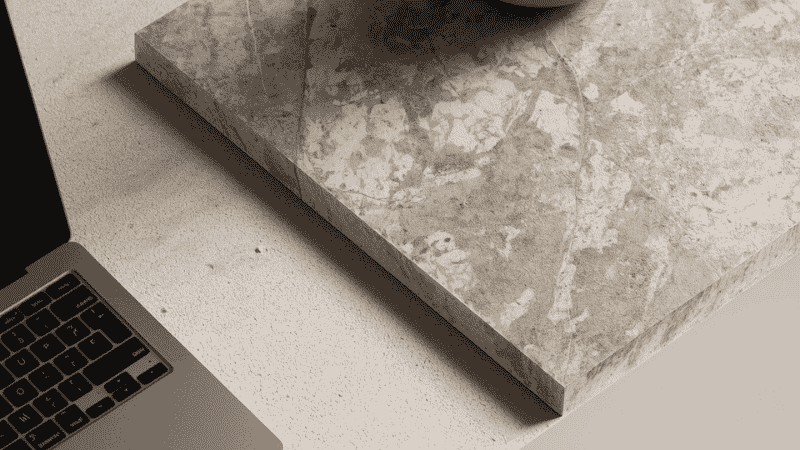
Curated High-Ticket Setups: The Professional’s Selection
When investing in a centerpiece, you are paying for the engineering of the base and the grade of the surface. Here is how to choose based on your specific lifestyle “persona.”
Best Overall Setup: The Mid-Century Walnut Pedestal
- The Setup: A 48-inch walnut pedestal paired with low-profile, curved-back chairs.
- Who it’s for: The homeowner who hosts 2–4 people regularly but needs a sophisticated anchor for an open-concept living area. This diameter is the “sweet spot”—small enough for a breakfast nook but substantial enough for a full dinner service.
- Why it works: The organic warmth of walnut balances the coldness of modern appliances in a kitchen-adjacent space.
Best for Small Spaces: The 30-Inch Glass & Chrome Bistro
- The Setup: A 30-inch tempered glass top with a slender chrome pedestal.
- Who it’s for: Renters in urban studios or those needing a “dedicated” morning coffee and WFH nook.
- Why it works: It’s about creating a “destination” without obstructing the path to the kitchen. The transparency of the glass ensures the room remains airy and breathable.
Best Premium Option: The Sintered Stone “Statement” Circle
- The Setup: A 60-inch oversized sintered stone table with a sculptural fluted base.
- Who it’s for: Those with a large, square dining room who prioritize durability and high-design.
- Why it works: Sintered stone provides the prestige of marble with none of the fragility. The fluted base adds an architectural element that makes the table feel like a piece of art even when it’s not in use.
Case Study 2: Softening the Open-Concept “Great Room”
The Client: A family of four in a modern suburban home with an expansive, rectangular kitchen island. The Problem: The room felt cold and overly “grid-like” with a long rectangular table mimicking the long island. The Solution: We broke the grid with a 60-inch round white oak table.
The Architecture of Conversation: The circle acted as a visual “reset.” It invited people to walk diagonally through the space, and the circular seating arrangement naturally turned everyone toward the center, fostering better eye contact and a more intimate family dynamic.
Hide your office clutter with our Guide to Modern Sideboards]
Professional Pitfalls to Avoid
- The Rug Ratio Mistake: Nothing looks more amateur than a round table sitting on a tiny rectangular rug. Your rug should be a minimum of 30 inches larger than the table on all sides. This ensures that when a guest pulls their chair out, the back legs stay on the rug.
- Over-Scaling for “What Ifs”: Don’t buy a 6-person table for the two times a year you host Thanksgiving. Buy for your daily 90% usage. A table that is too large kills the “flow” and makes your daily life feel cramped.
- The Lighting Gap: A round table requires a central anchor. If your ceiling light isn’t centered, use a swag kit to ensure the light pool hits the dead center of the table.
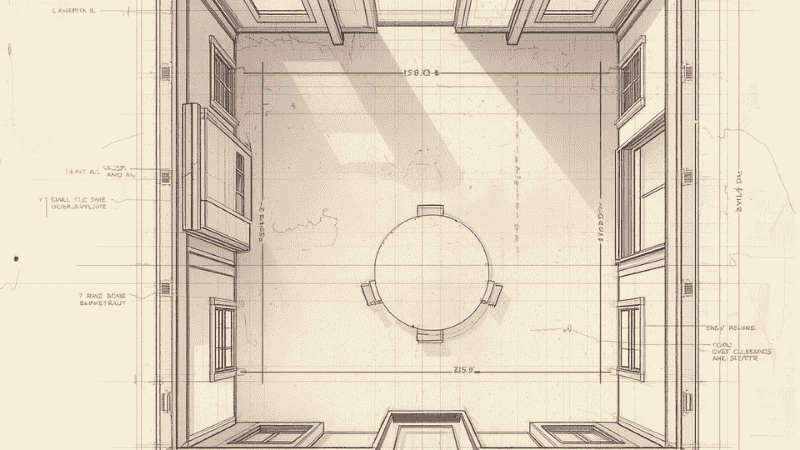
Designer FAQ
How many chairs can I actually fit at a round table? As a rule of thumb: 36-42″ seats 2-4; 48″ seats 4 comfortably; 60″ seats 6-8. Always opt for armless chairs if you’re trying to maximize seating on a smaller diameter.
Will a round table work in a long, narrow room? Surprisingly, yes. It acts as a “buffer” that breaks up the “bowling alley” effect of a narrow room, creating a natural point to pivot and change direction.
How do I choose the right rug shape for a round table? While a large rectangular rug can define a “zone,” a round rug under a round table is a classic designer move that reinforces the geometry of the nook. Ensure the rug is large enough so chairs don’t “catch” on the edge.
Is a pedestal table stable enough for a home office? Only if the base is weighted. Look for tables with a cast iron or solid wood base weighing at least 50+ lbs. Lightweight aluminum or hollow MDF bases will vibrate while typing, which can be a dealbreaker for remote work.