
The first time bought a mattress accessory, I assumed “pad” and “topper” were just two words for the same thing. I picked whichever one was cheaper, checked out, and waited for my bed to feel noticeably softer. It didn’t. The mattress felt exactly the same, just slightly more padded on top, and I spent the next few nights wondering if I’d wasted the money.
That mix-up is more common than most people think. Pads and toppers get lumped together in search results, in store aisles, and in half the product listings online, even though they solve completely different problems.
This guide sorts out the confusion in practical terms: what actually changes your comfort, what only protects your mattress, how much you should realistically spend, and what to watch for if you’re working with a smaller bed setup — a daybed, a Murphy bed, or a rental mattress you can’t replace. We’ll also cover the sizing issues nobody warns you about, like whether your fitted sheet will still fit once you add either one.
Mattress Pad vs. Mattress Topper: The 30-Second Decision Guide
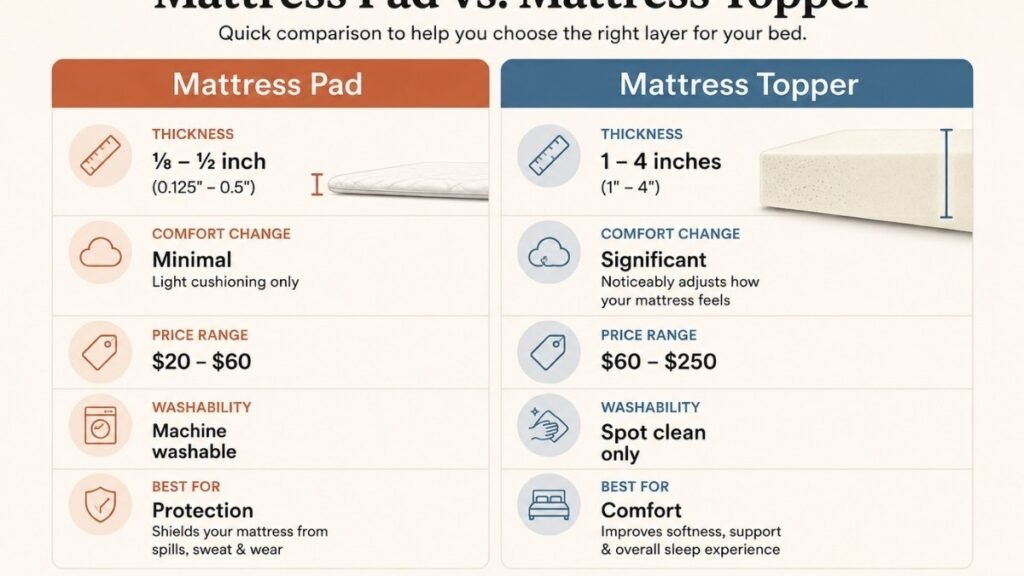
| Mattress Pad | Mattress Topper | |
|---|---|---|
| Main job | Protects the mattress | Changes how the mattress feels |
| Typical thickness | ⅛” to ½” | 1″ to 4″ |
| Comfort change | Minimal | Significant |
| Price range | $20–$60 | $60–$250 |
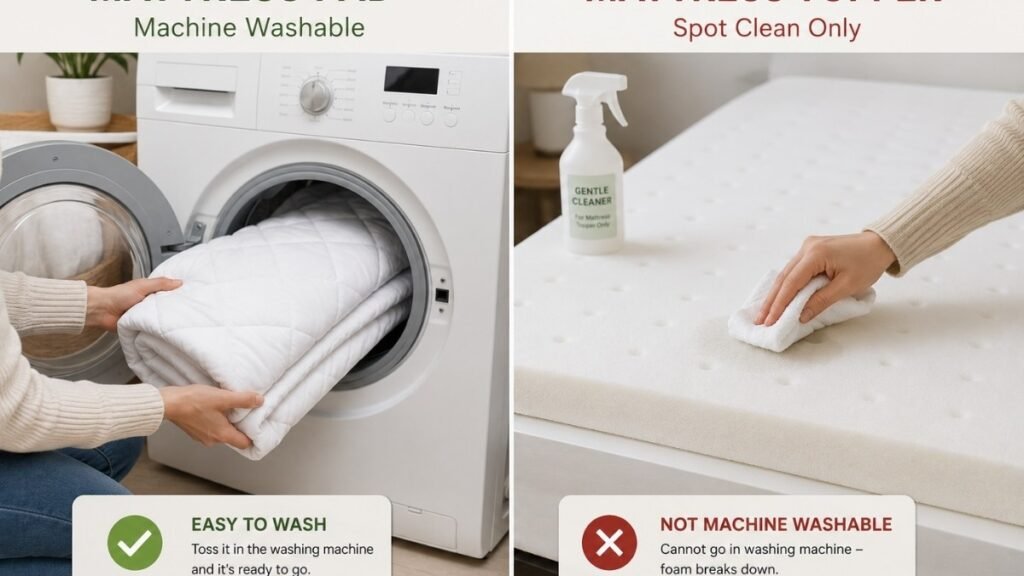
| Washability | Machine washable | Usually spot clean only |
| Best for | Renters, guest rooms, allergy control | Anyone whose mattress feels too firm or too worn |
Biggest Difference at a Glance
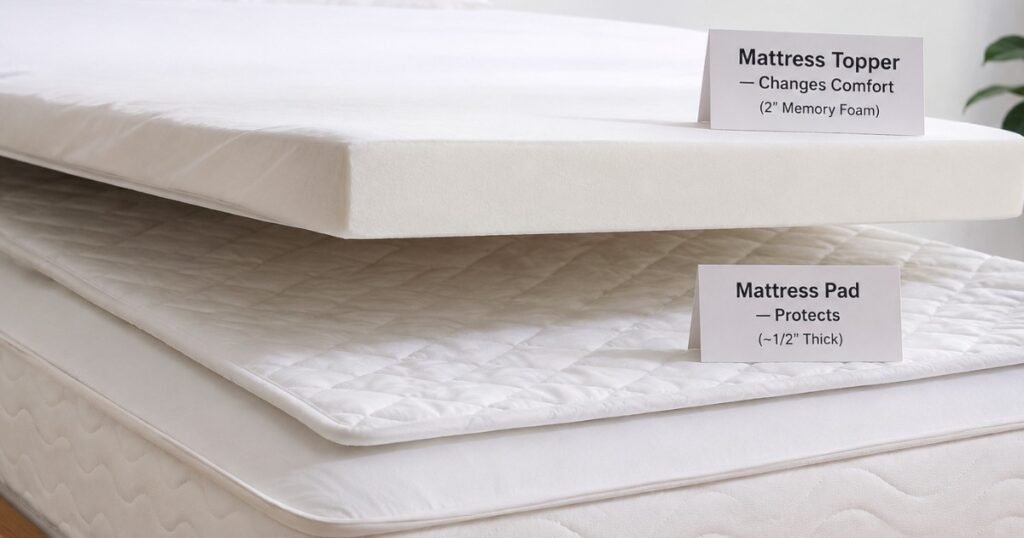
A mattress pad sits on top of your mattress like a thin, quilted layer — closer to a thick mattress cover than a cushion. A mattress topper is a genuine layer of foam, latex, or fiber designed to change the feel of the surface you sleep on.
Which One Costs Less
Pads are almost always the cheaper option, often by a wide margin. Most run somewhere between $20 and $60, while toppers routinely start around $60 and climb well past $200 for higher-density memory foam or latex.
Which One Changes Comfort
If your mattress feels fine but a little rough, worn, or unprotected, a pad won’t add meaningful softness — and it’s not supposed to. A topper is the one that actually shifts firmness, pressure relief, and how your body sinks into the bed.
Which One Is Easier to Wash
Pads win here without much competition. Most are machine washable, which matters a lot if you have pets, kids, or allergies. Toppers, especially foam ones, generally can’t go in a washing machine at all.
Who Should Buy Each One
A pad makes sense if your main concern is protecting the mattress or managing allergens. A topper makes sense if your main concern is comfort — the mattress itself is too firm, too soft, or has lost its original support.
Want comfort? Buy a topper. Want protection? Buy a pad. That’s really the whole decision in one sentence.
What a Mattress Pad Actually Does (And What It Doesn’t)
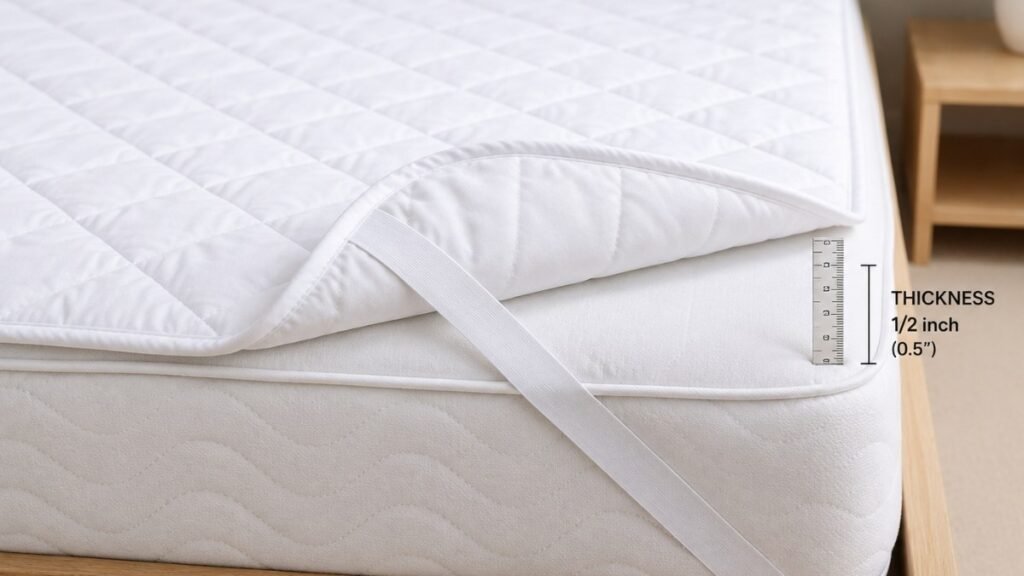
A mattress pad is built to sit between you and your mattress as a barrier, not a cushion. It’s worth understanding what that barrier actually accomplishes before you buy one expecting a softer bed.
Protection First
The core job of a pad is protection — from sweat, spills, dust mites, and general wear. It extends the life of your mattress by keeping the surface clean, which matters more than people expect once you factor in warranty terms that require a protected mattress.
Light Comfort Boost
Some pads include a thin layer of fill that adds a small amount of softness, but this is a bonus, not the main feature. If your mattress feels genuinely uncomfortable, a pad isn’t going to fix that.
Best Materials
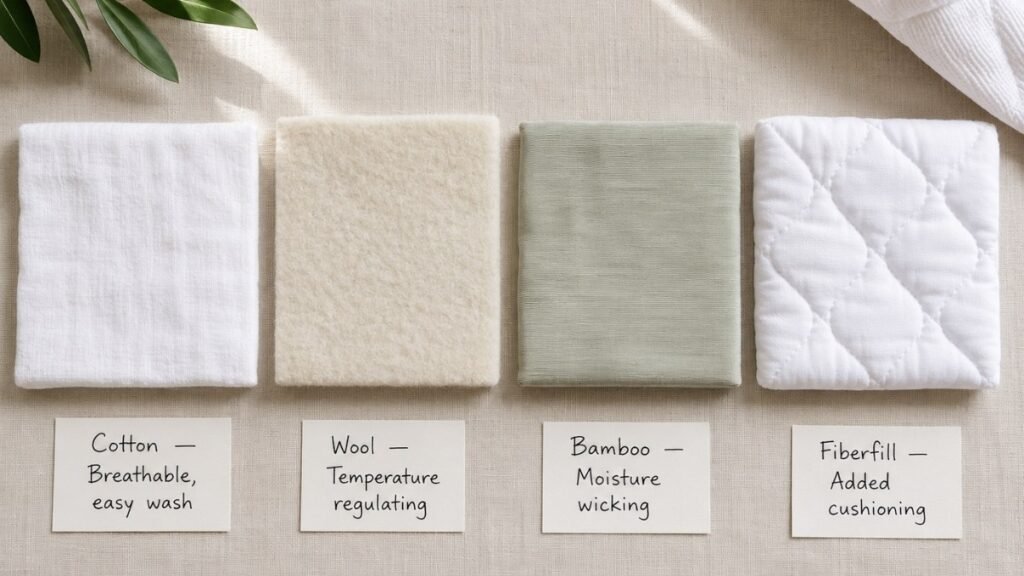
- Cotton — breathable, easy to wash, budget-friendly
- Wool — naturally temperature-regulating, good for hot sleepers
- Bamboo — soft feel, moisture-wicking, popular in humid climates
- Fiberfill — adds slightly more cushioning than cotton alone
Who Should Choose a Mattress Pad
Mattress pads make the most sense for hot sleepers who need better airflow than a heavy topper allows, renters who want protection without altering a mattress they don’t own, and parents dealing with kids’ beds where spills are routine. Guest rooms are another good fit — a pad keeps a rarely used mattress clean without the added cost of a topper you’ll barely benefit from.
What a Mattress Topper Actually Changes
A topper is the layer that does the heavy lifting when a mattress feels wrong. It can soften a bed that’s too firm, add support to one that’s starting to feel thin, or shift the overall sleep temperature depending on the material.
How Thickness Changes Comfort
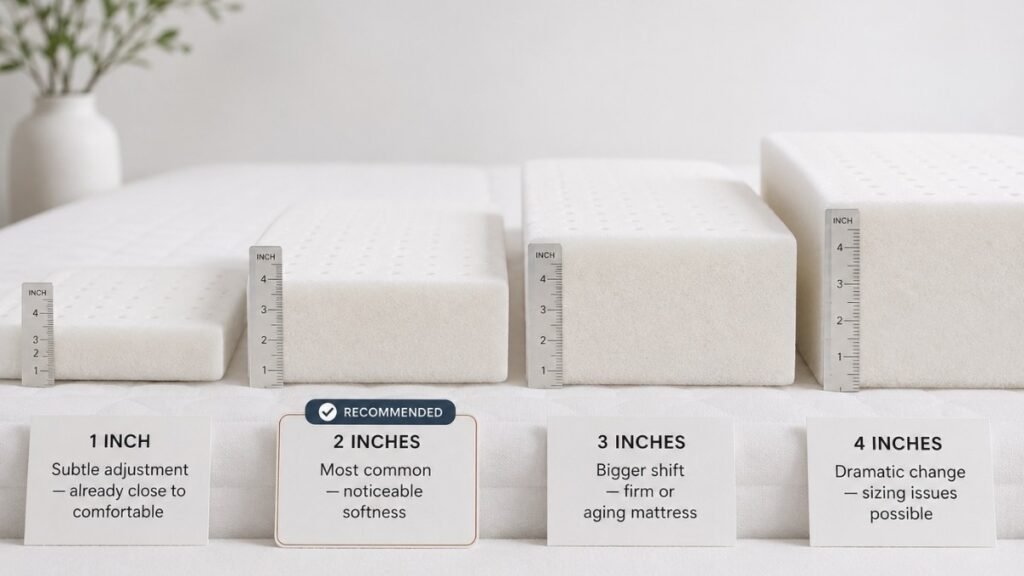
- 1″ — a subtle adjustment, best for mattresses that are already close to comfortable
- 2″ — the most common choice, noticeable softness without losing support
- 3″ — a bigger shift, good for older or firmer mattresses
- 4″ — dramatic change in feel, but can create sizing and stability issues (more on that below)
Memory Foam vs Latex vs Feather
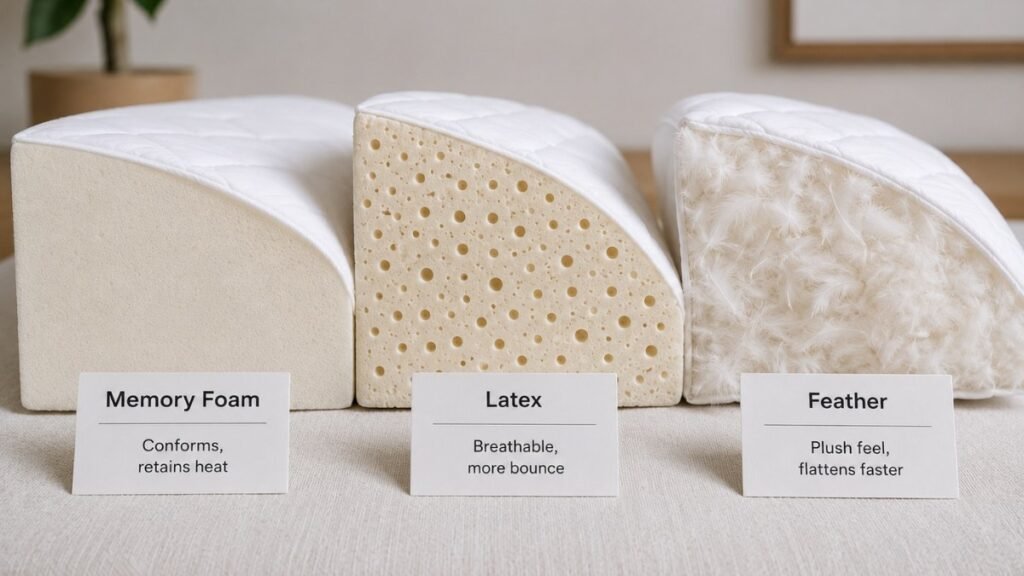
Memory foam contours closely to the body and relieves pressure points, but it retains more heat than other materials. Latex offers similar support with better breathability and a bit more bounce. Feather toppers feel plush and hotel-like but flatten faster and need regular fluffing to hold their shape.
When a Topper Is Worth the Extra Money
A topper earns its price when the mattress underneath is structurally fine but just feels wrong for your body — too firm, aging slightly, or simply not matched to how you sleep. In that situation, a good topper can feel like a genuinely different bed for a fraction of the cost of replacing the mattress.
When It Won’t Fix Your Mattress
This is where a lot of buyers get disappointed. A topper adds a layer of comfort on top of the mattress — it doesn’t repair what’s happening underneath.
The sagging mattress myth: if your mattress has a visible dip or valley, a topper will drape over that dip rather than correct it. You may feel a little more cushioned, but you’ll still roll toward the low spot. At that point, the mattress itself needs replacing, not covering up.
Mattress Pad or Topper? Choose Based on How You Sleep
Sleep position changes what kind of support actually helps, which is why the “right” topper for one person can feel completely wrong for another.
Side Sleepers
Side sleepers generally need more give at the hips and shoulders, since those points carry the most pressure. Many people who switch to a 2-inch topper notice the shoulder pressure they’d been living with simply disappears within the first few nights — it’s a more immediate change than most people expect from a single layer of foam.
Back Sleepers
Back sleepers usually do best with medium support — enough contouring to relieve the lower back without letting the hips sink too far. A 2-inch medium-firm topper tends to hit that balance well.
Stomach Sleepers
Stomach sleepers need firmness more than softness, since too much give can push the hips out of alignment. A thin pad or a 1-inch firm topper is usually the safer choice here.
Combination Sleepers
Anyone who shifts positions through the night benefits from a topper with some responsiveness — latex tends to work better than slow-recovery memory foam, since it adjusts as you move rather than holding a single shape.
Body weight recommendations: lighter sleepers (under 130 lbs) usually get enough cushioning from a 2-inch topper. Average body weights (130–230 lbs) often need 2 to 3 inches for real pressure relief. Heavier sleepers (230 lbs+) typically need a firmer, denser 3-inch layer, since softer foams can bottom out and stop providing support.
Budget vs Results: Which Gives You More Value?
| Budget | Recommendation |
|---|---|
| $30 | A basic cotton or bamboo pad — protection only, no real comfort change |
| $60 | An entry-level 2-inch foam topper or a premium pad with better fill |
| $100 | A solid mid-density memory foam or latex topper, good for most sleepers |
| $200 | A high-density latex or cooling gel-infused topper, built to last several years |
A useful rule of thumb: if you’re spending under $60, you’re likely buying protection, not comfort. Real comfort changes tend to start closer to the $80–$100 mark.
Before You Buy: Check These Hidden Compatibility Issues
This is the part most guides skip entirely, and it’s usually where buyers get caught off guard after the purchase is already made.
Will Your Fitted Sheet Still Fit?
Every mattress has a “pocket depth” — the total height your fitted sheet needs to stretch over. A simple formula makes this easy to check before you buy:
Mattress height + topper height + pad height = required pocket depth
So a 10-inch mattress with a 3-inch topper and a thin pad needs sheets rated for at least 14 inches deep. Standard sheets usually max out around 14–16 inches, so anything beyond that means shopping for “deep pocket” or extra-deep sheets specifically. A lot of people find this out only after their topper arrives and the sheet corners won’t stay on — it’s one of the most common and most avoidable surprises in this whole category.
Will a Thick Topper Affect Your Headboard Height?
A 3- or 4-inch topper raises your total sleeping height noticeably. If your headboard sits close to the original mattress line, a thick topper can push the top of the bed above it, which changes the look of the room and sometimes affects how pillows sit against the headboard.
Can Your Murphy Bed Still Close?
This is one of the most overlooked issues, and it matters enormously for small-space setups. Murphy beds are built around a specific mattress thickness, usually with very little margin for anything extra.
Adding a 3-inch memory foam topper is often enough to prevent the bed from folding flush into the wall unit. The mechanism may still move, but the door or panel won’t close properly, or the mattress will bulge at the fold line. If you own a Murphy bed, a thin pad is almost always the safer choice — save thicker toppers for a standard bed frame.
Will Daybeds or Sofa Beds Still Fold Properly?
The same logic applies to daybeds and pull-out sofa beds. These frames are designed around a specific mattress profile, and a thick topper can throw off how the mattress folds or how it sits inside the frame during the day when it’s used as seating. A 1- to 2-inch topper is usually the practical upper limit for these setups.
How to Layer Everything Correctly
Getting the order right matters more than most people realize — a protector on the wrong layer, for instance, does almost nothing.
Mattress
   ↓
Topper
   ↓
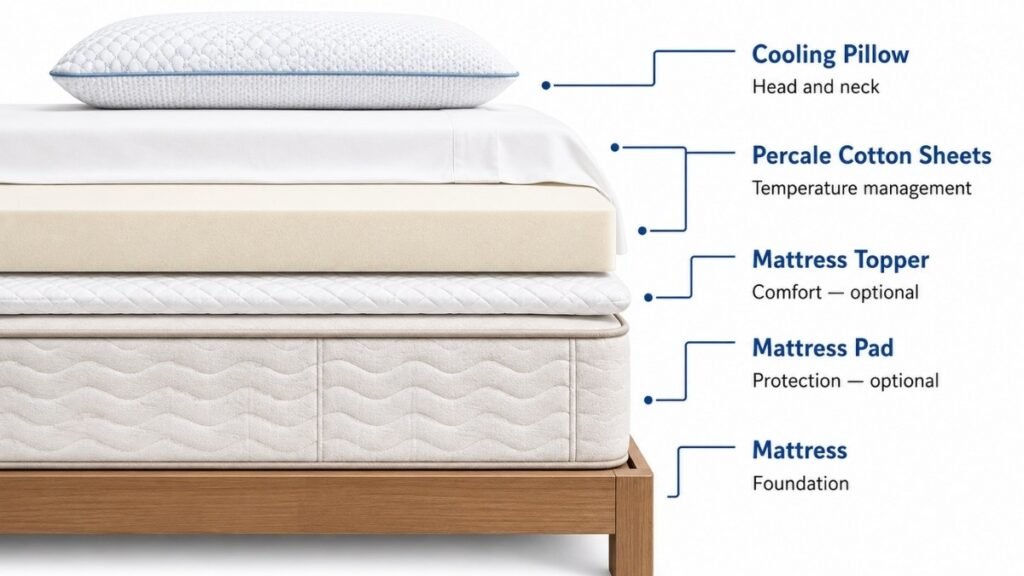
Pad / Protector
   ↓
Fitted Sheet
Pad vs. protector vs. topper, explained simply: the topper changes the feel of the bed and goes directly on the mattress. The pad or protector goes on top of the topper, closest to the sheet, since its job is to catch moisture and everyday wear before it reaches either layer underneath. Skipping the topper and putting a protector directly on a bare mattress is fine if comfort isn’t the concern — but if you own both, the topper always goes closer to the mattress, not the sheet.
How to Stop a Mattress Topper from Sliding Around
Few things are more annoying than waking up to a topper that’s slid halfway off the bed.
Why Sliding Happens
Foam and latex have a smooth underside, and most fitted sheets don’t grip well enough to hold a heavy topper in place through a full night of movement. The problem gets worse on platform beds with a slick wood or laminate surface underneath.
Best Low-Cost Fixes
- Rug pad cut to size and placed under the topper — usually the most effective single fix
- Sheet straps that wrap around the corners of the whole stack
- Corner bands designed specifically for mattress toppers
- Silicone mat or grip liner between the mattress and topper
In practice, people who try all four generally land on the same answer: a rug pad underneath does more to stop movement than straps or bands alone, since it addresses the actual surface-to-surface slide rather than just cinching the corners tighter.
What Doesn’t Work
Double-sided tape tends to fail within a week and can leave residue on the mattress. Simply tucking the topper under the fitted sheet corners rarely holds through a full night, especially with any tossing and turning.
Which Option Makes More Sense in Small Apartments?
Space constraints change the calculation in ways that generic buying guides rarely address.
Studio Apartments
A slimmer 2-inch topper or a well-made pad tends to work better in a studio, where the bed often doubles as a daytime seating or storage area and doesn’t need the bulk of a 4-inch layer.
College Dorms
Dorm mattresses are usually thin and firm, so a topper in the 2- to 3-inch range makes a real difference. A pad alone typically won’t be enough to offset a hard dorm-issued mattress.
Rental Apartments
Since you can’t replace the mattress itself, a topper is often the better long-term investment — it travels with you to the next place, unlike a pad, which mostly protects a mattress you don’t own.
Guest Rooms
A pad is usually the more sensible pick here, since guest room mattresses are used infrequently and protection matters more than day-to-day comfort adjustments.
Moving Frequently
If you move often, look for a topper that compresses well for storage and transport. Vacuum storage tip: most memory foam toppers can be vacuum-sealed for moving, but they need at least 24–48 hours to fully re-expand afterward — trying to sleep on one right after unpacking usually means a night on a flatter, firmer surface than expected.
Common Buying Mistakes to Avoid
- Buying a topper to fix a mattress that’s actually sagging — it will cushion the dip, not correct it
- Buying a 4-inch topper without checking fitted sheet depth first
- Ignoring heat retention, especially with dense memory foam in a warm bedroom
- Assuming a pad works like a protector — most pads add a little cushioning but aren’t built for full moisture protection
- Buying thick foam for a Murphy bed without checking whether it will still close
Quick Buying Recommendations
- “I want softer sleep” → a 2- to 3-inch memory foam or latex topper
- “I sweat at night” → a latex topper or a breathable wool pad, avoiding dense standard memory foam
- “My mattress is expensive” → a topper, since it protects your investment while extending comfort rather than wearing down the original surface
- “I’m renting” → a topper, since it’s the piece that comes with you when you move
- “I own a Murphy bed” → a thin pad or, at most, a 1-inch topper
- “I have a daybed” → a 1- to 2-inch topper to avoid folding or fit issues
FAQ
Can I use a mattress pad and a mattress topper together?
Yes, and it’s a common combination — the topper handles comfort, and the pad or protector goes on top of it to catch moisture and everyday wear. Just check your sheet depth first, since stacking both adds up quickly.
Does a mattress topper make your bed hotter?
It can, depending on the material. Standard memory foam tends to trap heat, while latex and gel-infused foam options stay noticeably cooler through the night.
Will a mattress topper fix a sagging mattress?
Not really. A topper will drape over a sag rather than correct it, so you may feel slightly more cushioned but still notice the dip underneath. If the sagging is significant, the mattress itself needs replacing.
How thick should a mattress topper be for side sleepers?
Most side sleepers do well with 2 to 3 inches, which gives enough give at the shoulders and hips without losing overall support.
How do I stop my mattress topper from sliding?
A rug pad cut to size and placed underneath the topper is usually the most reliable fix, often working better than straps or corner bands alone.
Do I need deep-pocket sheets with a mattress topper?
Often, yes. Add your mattress height, topper height, and pad height together — if the total exceeds about 14 inches, standard sheets likely won’t fit and you’ll need deep-pocket sheets.
Can I use a mattress topper on a Murphy bed or daybed?
You can, but stick to thinner options. Anything over 2 inches on a Murphy bed risks preventing it from folding flush, and the same limit applies to most daybed frames.
What’s the difference between a mattress pad and a mattress protector?
A pad adds a thin layer of cushioning along with some protection, while a protector is built purely to guard against moisture, dust mites, and spills without changing the feel of the mattress at all.
Final Thoughts
The right choice isn’t about buying the more expensive product — it’s about solving the problem your current mattress actually has. If your bed feels comfortable but needs protection, a mattress pad is usually enough. If comfort is the issue, a topper can make a much bigger difference without the cost of replacing your mattress. Measure your bed first, think about how you sleep, and choose the simplest solution that fits both your space and your budget.
🏡 Grainv Home Notes: The Thinking Behind This Guide
Buying a mattress pad or topper isn’t just about making your bed more comfortable—it’s about making sure every inch of your space works the way you need it to.
That’s why this guide goes beyond comparing materials and thickness. We also looked at the practical details that many buying guides overlook, especially for people living in apartments, dorm rooms, rentals, or homes with space-saving furniture.
This guide is built around three priorities:
- 🛏️ Sleep Comfort — Choosing the right layer to improve support, pressure relief, or temperature regulation.
- 📏 Small-Space Compatibility — Making sure your setup works with Murphy beds, daybeds, sofa beds, and limited bedroom space.
- 💰 Smart Value — Spending money only where it makes a noticeable difference, instead of replacing a mattress that still has years of life left.
Because the goal isn’t to buy more bedding accessories.
It’s to make the bed you already own work better for the way you actually live.
Continue Exploring Small-Space Bedroom Ideas
Improving your sleep doesn’t always mean replacing your mattress. These guides can help you get more comfort, better storage, and smarter furniture choices without wasting space or money.
- Cooling Mattress Topper: Why Yours Probably Didn’t Work → (Internal Link)
- Best Sheets for Hot Sleepers: What the Fabric Science Actually Says → (Internal Link)
- Cooling Pillow: Why the Fill Material Matters More Than the Cover → (Internal Link)
- Platform Bed with Drawers: Does It Replace a Dresser? → (Internal Link)
❤️ A Final Note
A more comfortable home isn’t built by buying more furniture—it’s built by making smarter choices with the space you already have.
At Grainv, we’re here to help you cut through confusing product claims, avoid costly buying mistakes, and create a home that’s comfortable, functional, and designed to fit real life—whether you’re living in a studio apartment, a rental, or a family home.
Our goal is simple: helping you make smarter home and furniture decisions with confidence.